

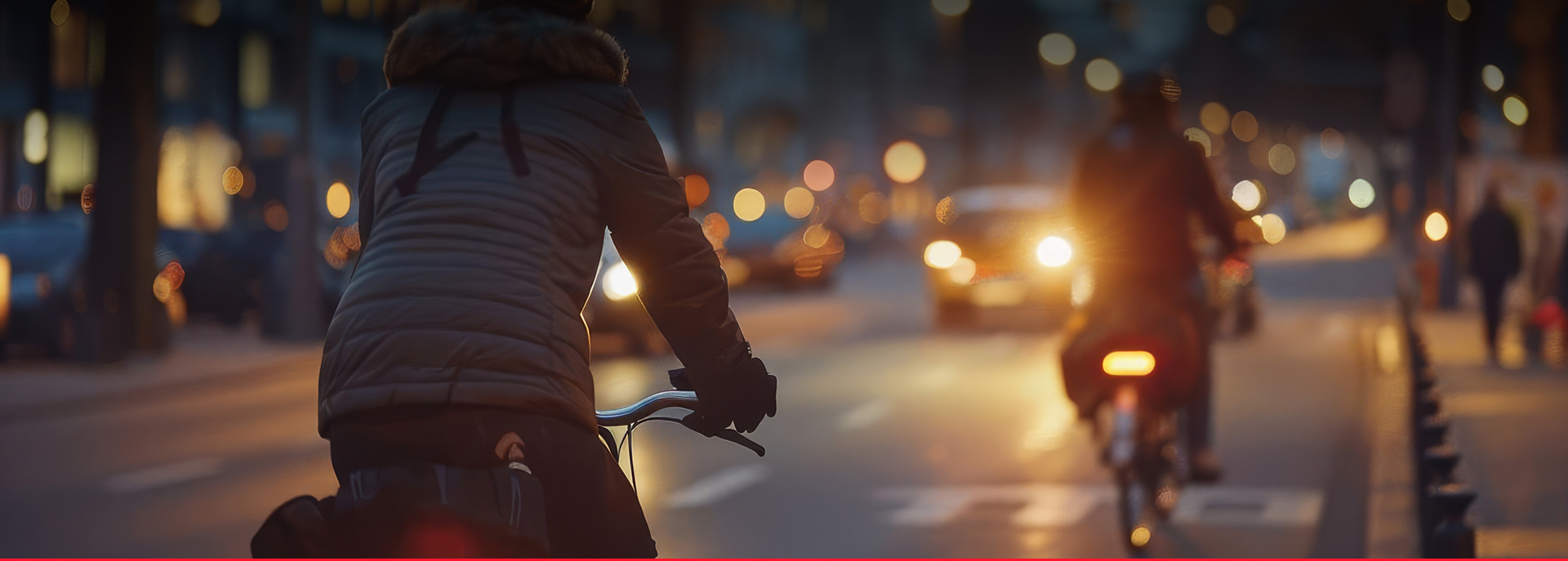

As seasons change in California, you should start thinking about how your cycling routine will need to adapt, too.
Summer in the Bay Area comes with varying weather patterns — extreme heat inland and cool, cloudy or foggy days along the coast — and while residents across the region may welcome a new season, fall can come with its own set of challenges, like earlier sunsets, darker evenings, and changing conditions.
For city commuters and weekend cruisers alike, it’s best to be prepared for the elements you may find yourself riding in. These tips will help you get the most out of your fall ride and prepare you for a safe commute or enjoyable crisp autumn joyride.
Fall weather in the Bay Area
Goodbye foggy summer weather and hello clearer days across San Francisco. While most of the country is thinking about dreary autumn weather, Bay Area cyclists look forward to fall for temperate weather and (more) clear skies. SF’s classic fog tends to clear out during fall months and can actually end up being one of the warmest seasons of the year.
Into October, average temperatures for San Francisco tend to be in the high 60s, but as you work your way inland temperatures rise. Take this into consideration if you’re riding across the Bay Area region. A cool, comfortable day overlooking the water might turn into a scorcher as you travel further east.
Additionally, seasonal changes and El Niño patterns may alter weather and water levels during the fall and winter seasons. It’s always important to seek out the weather forecast before a ride and be prepared in case the weather quickly changes, as it’s likely to do.
Clothing and gear: Think in layers
Cyclists in the Bay Area are no strangers to finicky weather patterns. Microclimates are common here, and fall can really highlight that. As a result, dressing in layers and thinking through an outfit and bike gear really comes in handy.
Having additional layers for your commute or ride means that you can make yourself as comfortable as possible. Consider these pieces of clothing as you prepare for setting out on two wheels:
Breathable base layers: These pieces of clothing are worn most closely to the skin and should be breathable. If you’re wearing a base layer that’s trapping sweat, you may end up feeling really uncomfortable – too hot or too wet. Look for base layers that contain merino wool, common among hikers, cyclists, and outdoorsmen. It works because it’s light, regulates temperature well, and manages moisture.
Midlayers: You may not always need multiple layers, but when you do, you’ll be glad you have them. A midlayer goes above the base layer and perhaps under a jacket. Consider light fleeces or thermal jerseys. On really cold rides, this will help keep warm.
Outerwear: In San Francisco, rain and fog are common. Even in the fall, when the forecast looks clear, it can be smart to keep a water resistant jacket handy. These are light but will prevent you from feeling water-logged, no matter how long your ride is.
Prepping your bike
Now that you have your wardrobe ready for the fall, take an audit of your bicycle. The changing of seasons is a great time to perform any maintenance and will keep your rides smooth all year long.
Consider the following:
- Check tires for proper inflation and any wear that may pose an issue.
- Inspect brakes and check stopping power. Worn brake pads could be dangerous and should be replaced.
- Clean the bike’s lube and chain. Remove any dirt with a brush, then apply fresh lube. A dirty chain can cause unnecessary wear and make for a rough ride.
- Adjust handlebars and seat height. It’s good to check this regularly to make sure you have the most comfortable fit. This will help prevent some repetition injuries and make long rides easier on the body.
Lighting through darker months
There’s a lot to love about fall across the Bay Area. However, days are shorter and that means cyclists are often caught cycling in dimmer conditions. This can pose safety risks for cyclists, especially when it’s more difficult to see them.
Take this into consideration and take extra precaution. If you’re a novice cyclist, consider avoiding night rides and stick to bright daylight.
Being visible to cars is one of the most important safety measures cyclists can take in any season. Consider adopting these clothing tips to increase visibility:
- Wear brightly colored clothing. An orange safety vest, for example, can be an easy addition over any layered outfit.
- Opt for reflection. Whether it’s a reflective strip on your shoe or bike pedal, these pops of light can help drivers see you.
For bikes, it’s law to have the right lighting on your bike. At night, the following must be attached to the bicycle or bicyclist (VEH 21201(d) #1-4 and VEH 21201(e)):
- A white headlight visible from a distance of 300 feet in front and from the sides of the bicycle.
- A red reflector or a solid or flashing red light with a built-in reflector on the back of the bike that’s visible from a distance of 500 feet to the rear when directly in front of lawful upper beams of headlights on a motor vehicle.
- A white or yellow reflector on each pedal, shoe, or ankle visible from the front and rear of the bicycle from a distance of 200 feet.
- A white or yellow reflector on each side forward of the center of the bicycle, and a white or red reflector on each side to the rear of the center of the bicycle, although bicycles that are equipped with reflectorized tires on the front and the rear need not be equipped with these side reflectors.
Have fun, be prepared
There’s a lot for cyclists to look forward to in the fall season. We certainly are excited about clear, cool days and discovering a new favorite route! Wherever this season takes you, prepare yourself, plan as much as possible ahead of the ride, and reach out to necessary resources if you need to.
Get in touch with us today by email or by calling (415) 466-8717.